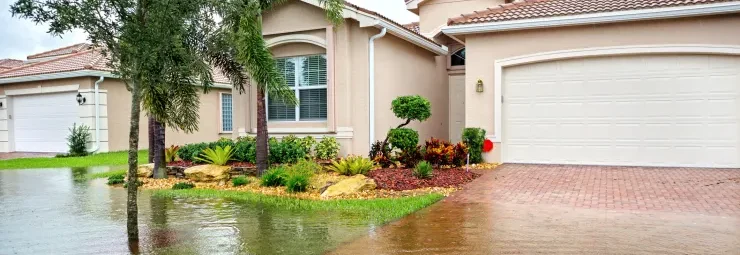
Does Homeowners Insurance Cover Hurricane Damage?
5 min read · Apr 21, 2026
Hurricanes can cause serious problems for homeowners, especially from strong winds and flooding. Many people think their home insurance covers all hurricane damage, but that is not always true. Coverage depends on what kind of damage happens and how it occurs. Most policies cover wind damage from hurricanes, but flood damage usually needs a separate flood insurance policy. To be fully protected, make sure you know what your home insurance covers, including any hurricane deductibles and the limits for wind and flood damage.
How Does Homeowners’ Insurance Cover Hurricane Damage?
When reviewing hurricane damage claims, insurers first determine the source of the damage, which dictates whether it is covered by a standard home insurance policy. Homeowners insurance typically covers things like wind damage to roofs, siding, or other parts of the house, rain that gets in through openings made by the storm, and damage from flying debris. However, some losses, like flood damage, are not usually included in standard coverage limits. We will look at these situations in our next section.
What Hurricane Damage Is Not Covered by Homeowners Insurance
Homeowners insurance does cover some hurricane damage, but there are important exceptions. It does not cover storm surge flooding, which happens when ocean water floods the land. Rising groundwater and coastal flooding from hurricanes are also not included. If water enters your home at ground level, such as through the foundation, it is usually considered flood damage, not windstorm damage. Damage from poor maintenance, like leaks or worn-out roofing, is also not covered by standard policies. To protect against these types of losses, you usually need a separate flood insurance policy.
Flood Insurance vs Hurricane Insurance: Key Coverage Differences
Hurricane damage comes from two main risks: wind damage and flood damage. Homeowners insurance policies typically pay for damage from hurricane winds, but you need flood insurance to cover damage from rising water or storm surge.
Comparison of the Flood Insurance vs Hurricane Insurance:
| Factor | Flood Insurance | Hurricane Insurance |
| Primary Protection | Rising water and flood damage | Wind-related hurricane damage |
| Covers Storm Surge | Yes | No |
| Covers Rising Water from Outside | Yes | No |
| Covers Wind Damage | No | Yes |
| Covers Debris Damage | No | Yes |
| Typical Policy Type | Separate flood insurance policy | Usually part of homeowners or windstorm policy |
| Why It Matters | Protect homes from hurricane flooding | Protect homes from hurricane winds |
Hurricanes often cause strong winds and flooding. If you live in an area where hurricanes happen often, you may need both windstorm coverage and flood insurance to stay fully protected. Flood damage can be severe and usually needs its own insurance for personal property coverage.
What Is a Hurricane Deductible?
A hurricane deductible is a specific type of deductible that applies to hurricane-related claims. Instead of being a set dollar amount like a standard deductible, it is usually a percentage of your home’s insured value. This deductible typically activates when the National Weather Service officially declares a storm a hurricane. With this, homeowners often have to pay more out-of-pocket before their insurance covers the rest. In high-risk areas, such as those prone to hurricanes, hurricane deductibles may be higher, and you’ll need to pay a larger portion of the damage out-of-pocket before coverage helps pay for repairs. It’s crucial to know about your home insurance deductible, as it could impact how much you need to pay for living expenses if your home is damaged and you must temporarily relocate. Knowing how this deductible works can help you better manage your costs if a storm hits.
How to Ensure Your Home Is Properly Covered Before Hurricane Season
Before hurricane season arrives, make sure your home has the right protection. Review your homeowners’ insurance policy so you know what is and isn’t covered, especially when it comes to hurricane deductibles. Check if your home could be at risk of flooding, since most standard policies don’t include flood damage. Always inspect your home before the storm and have insurance information, photos, and videos to file a claim if necessary. Be sure to review your policy to know if your policy provides replacement cost coverage or if you’ll be reimbursed based on the actual cash value, which accounts for depreciation.
In summary, it’s essential to know about home insurance and ensure you’re adequately protected with the right coverage before the brunt of the hurricane hits. You may want to look into extra coverage, like flood insurance, for better coverage. Neptune Flood offers flood insurance to help protect your home from hurricane-related flooding and ensure you’re covered. Get a flood insurance quote in under two minutes.
FAQ’s
Does homeowners’ insurance cover hurricane flooding?
No, standard homeowners’ insurance usually does not cover flooding caused by a hurricane. Damage from rising water during a hurricane is not included in most standard policies. To be protected from flood and water damage, you need a separate flood insurance policy.
Do I need flood insurance if I live in a hurricane-prone zone?
Yes, if you live in a hurricane zone, it’s a good idea to have flood insurance. Flooding from hurricanes, like storm surge or rising groundwater, is not covered by homeowners’ insurance. Flood insurance helps protect you from these common risks in hurricane areas.
What is the difference between flood insurance and hurricane insurance?
Flood insurance covers damage from flooding, like storm surge, rising groundwater, or water coming in at ground level. Hurricane insurance is usually included in your homeowners policy and covers wind damage from hurricanes, such as damage to roofs, siding, and other parts of your home, as well as rain driven by wind. You may need both types of coverage for full protection during the high-risk hurricane season.
Note: In some high-risk coastal states, windstorm coverage may be excluded from standard homeowners policies.
How do hurricane deductibles work for homeowners’ insurance?
A hurricane deductible is a special amount you pay only for hurricane-related claims. Instead of a set dollar amount, it’s usually a percentage of your home’s insured value, like 1% to 5%. In some high-risk coastal areas, this deductible can be as high as 10%. This deductible applies when a storm is officially called a hurricane, so you pay more out-of-pocket before your insurance coverage takes effect.
Is a storm surge considered flood damage?
Yes, storm surge counts as flood damage. Storm surge happens when hurricane winds push ocean water onto land, causing flooding. Homeowners insurance usually does not cover this, so you need a separate flood insurance policy to be protected.
