Damages of Floods
4 min read · Oct 16, 2025
Floods are among the most destructive natural disasters, capable of devastating homes, businesses, and entire communities. Understanding the damages of flood helps property owners prepare, mitigate, and insure effectively against potential losses. Floods can destroy building foundations, ruin valuable contents, and contaminate entire properties with hazardous materials. Knowing what damage a flood can cause empowers homeowners and business owners to make smarter insurance choices and take preventive action before disaster strikes. Proper planning, combined with the right flood insurance, ensures that recovery is faster, safer, and more affordable after the waters recede.
Common Types of Flood Damage to Property & Contents
Flood damage can affect every part of a building — from the foundation to the furnishings. Identifying the types of damage you might face helps ensure your flood policy covers the full scope of potential losses.
Structural Damage
Structural damage occurs when floodwaters compromise the integrity of a building’s framework. Pressure from rising water can cause foundation cracks, wall collapse, and buckling floors. Electrical systems, HVAC units, and plumbing can short-circuit or corrode, leading to major repair costs even after the water recedes. Appliances and major systems like water heaters and furnaces are often total losses. Since these damages can cost tens of thousands of dollars, ensuring your policy includes structural coverage is critical for long-term protection.
Contents Damage
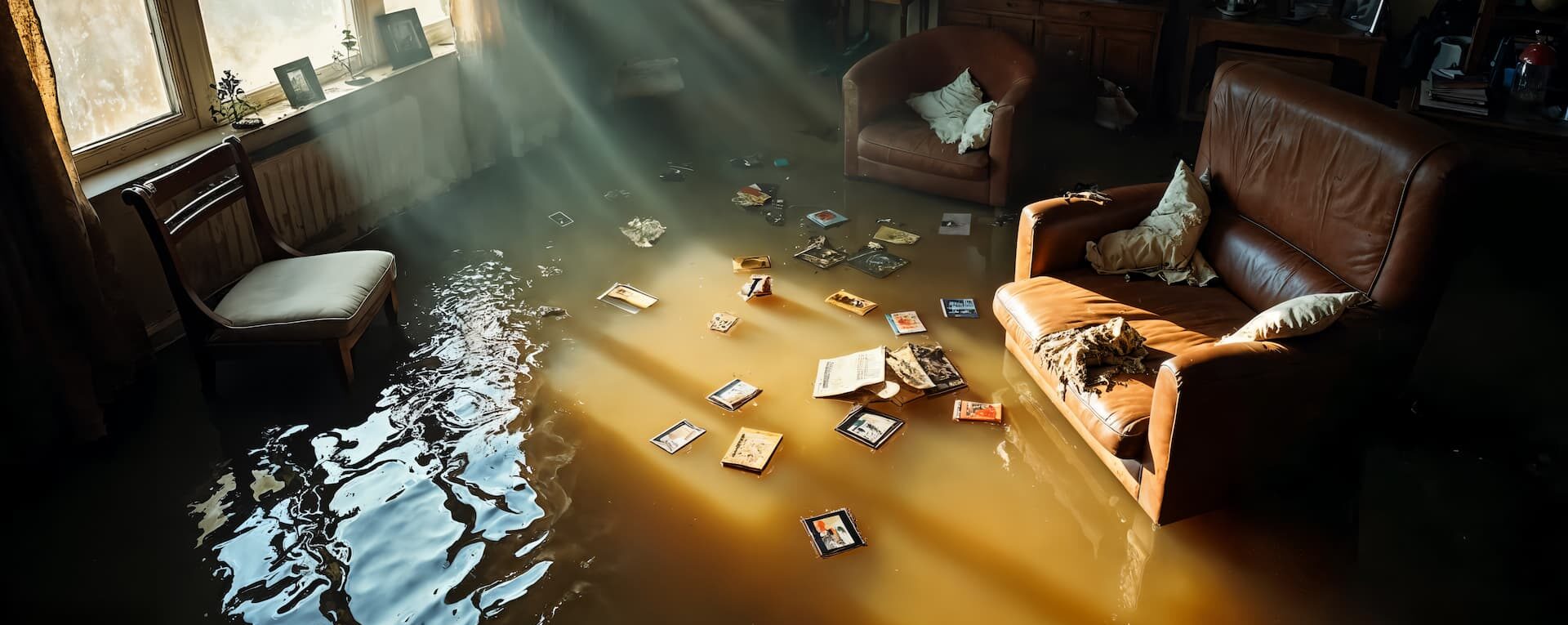
Floods don’t just damage buildings—they destroy what’s inside. Furniture, personal belongings, electronics, important documents, and, for businesses, inventory and equipment are all vulnerable to water exposure. Even a few inches of water can ruin carpets, upholstery, and paper records. For renters or those without building ownership, contents-only coverage is vital to protect personal property. Understanding this distinction ensures your coverage aligns with your specific risk exposure and living situation.
Factors That Make Flood Damage Worse
Not all floods cause the same level of destruction. Several key factors determine how severe the damage will be:
- Depth of Water: The higher the water rises, the more pressure it exerts on walls and foundations, leading to increased structural failure.
- Contamination: Floodwaters often carry sewage, chemicals, and debris, making cleanup more complex and hazardous. Contaminated water can render materials like drywall and insulation unsalvageable.
- Duration of Standing Water: The longer water remains in place, the more time it has to weaken structures, warp materials, and promote mold growth.
- Water Velocity: Fast-moving floodwaters can sweep away vehicles, fences, and even portions of buildings.
These factors are often considered in flood risk assessments and insurance rate calculations. Understanding them helps homeowners gauge their vulnerability and make informed decisions about mitigation measures and insurance coverage.
How to Minimize Flood Damage Before It Happens
Reducing the damages of flood starts long before a storm hits. Homeowners and business owners can take practical steps to protect property:
- Elevate utilities like electrical panels, HVAC systems, and water heaters above expected flood levels.
- Install flood vents to equalize pressure and reduce structural stress on walls and foundations.
- Use flood-resistant materials such as tile flooring, closed-cell insulation, and treated wood for reconstruction or new builds.
These preventive measures not only reduce potential losses but can also lower insurance premiums and minimize future claims.
Conclusion
Floods can cause catastrophic structural and contents damage, leaving homeowners with enormous repair costs and lengthy recovery periods. By understanding the main types of flood damage, the contributing risk factors, and available mitigation strategies, property owners can better prepare for future disasters. Reviewing your flood insurance coverage—and ensuring it includes both structure and contents protection—can make the difference between recovery and financial ruin. Don’t wait for the next storm; prepare today to safeguard your home, business, and peace of mind.
FAQs
What qualifies as flood damage?
Flood damage results from the overflow of inland or tidal waters that affect two or more properties or acres of land. It differs from water damage caused by burst pipes or roof leaks.
What can you claim for flood damage?
You can claim repairs for structural components, electrical systems, plumbing, appliances, and damaged contents like furniture and personal belongings, depending on your coverage type.
How much will FEMA pay for flood damage?
FEMA may offer limited assistance through disaster relief grants, but National Flood Insurance Program (NFIP) payouts depend on your policy’s limits. Private insurance can often provide higher and faster coverage.
How can I protect my home from future floods?
Elevate utilities, install sump pumps, and ensure proper drainage around your property. Regular maintenance and flood-resistant materials also minimize future damage.
Does homeowners insurance cover flood damage?
Standard homeowners policies do not cover flood damage. You’ll need a separate flood insurance policy, either through NFIP or a private insurer like Neptune Flood—to be protected.
